Loading...
Serving Tracy, CA and surrounding areas. (209) 699-5362
NextGen Tracy Sunrooms & Patios installs four season sunrooms, patio enclosures, and screen rooms for Livermore homeowners. We handle permits through the City of Livermore and reply to every new inquiry within one business day.
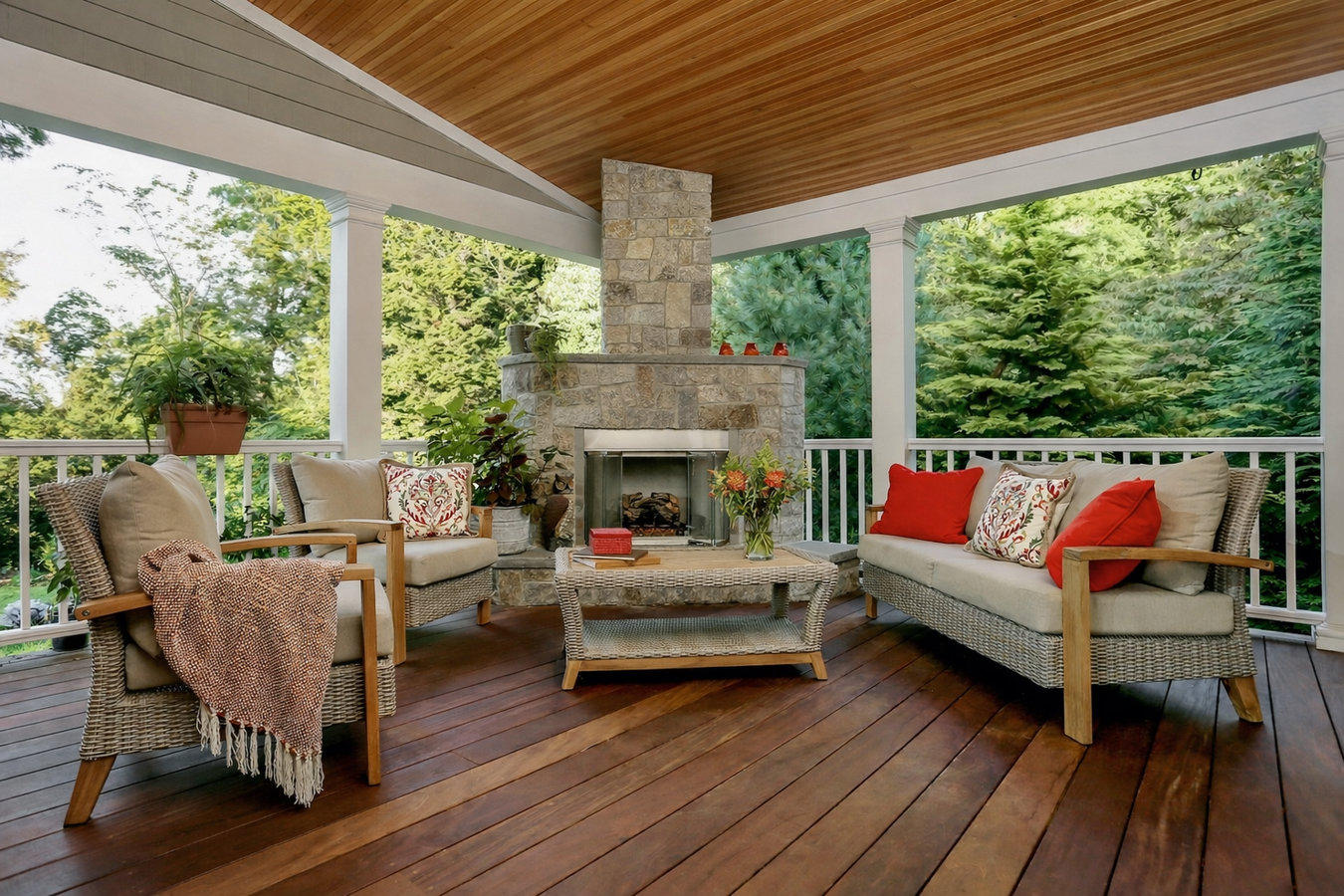
Livermore's summers regularly top 95 degrees, and winter nights can dip close to freezing during cold snaps in December and January. A four season sunroom is fully insulated and tied into your home's heating and cooling system, so you get a room that is genuinely comfortable all year rather than one you can only use on mild days.
Many Livermore ranch homes and 1990s subdivisions have concrete back patios that become unusable by 11 AM in summer and during the rainy season. A patio enclosure converts that slab into a covered, windowed room without the cost of a full ground-up addition, giving you more usable space at a fraction of the price.
Livermore has a wide range of home styles - from postwar ranch homes near downtown to two-story tile-roof subdivisions in north and east Livermore. A custom-designed sunroom is specified to match the roofline, exterior finish, and proportions of your particular home rather than fitting a standard catalog configuration.
Livermore's fall Diablo winds can bring debris, and the warm spring and early summer evenings are ideal for outdoor living before peak heat arrives. A screen room gives you fresh air and the backyard view while keeping wind-blown particles and insects out, without requiring the full glazing of a permanent room.
For Livermore homeowners who want permanent square footage, a sunroom addition is framed into the existing structure, ties into the roofline, and is recorded with the county as added living space. With median home values well above $800,000, Livermore owners tend to build additions that are finished to the same standard as the rest of the house.
Some of Livermore's older homes near downtown have enclosed patios that were added decades ago without permits or with materials that no longer meet code. We can evaluate those existing structures, bring them up to current standards, and where appropriate pull documentation so the space is on record before you list the home.
Livermore's housing stock spans more than a century, from pre-war cottages near the historic downtown to newer two-story subdivisions in Springtown and along Portola Avenue. That range means a sunroom contractor working here needs to know how to attach to a 1950s wood-frame ranch home with an original concrete perimeter foundation and how to navigate the HOA design review requirements in a newer planned community - two very different sets of constraints. The older homes also often have thinner slabs that were not designed to carry addition loads without reinforcement.
The climate in the Livermore Valley adds its own demands. Summers are significantly hotter than coastal Bay Area cities, with temperatures above 95 degrees common from June through September. The fall brings Diablo wind events - dry, hot gusts that put stress on exterior materials, roofing, and any structure that is not well anchored. Winters bring enough rain to test drainage and flashing details, and the expansive clay soil throughout the valley moves enough seasonally to crack slabs that lack proper sub-base preparation. California Title 24 energy standards also apply to any new conditioned space, which means glass specifications matter more here than in many other states. The City of Livermore Community Development Department handles building permits, and a contractor who has worked through their review process before knows the local requirements.
Our crew works throughout Livermore regularly, and we understand the local conditions that affect sunroom contractor work here. We encounter a wide range of home types across the city - the lower-pitched ranch homes near First Street and the older downtown neighborhoods, the mid-1980s stucco homes in established residential areas, and the larger two-story homes in newer subdivisions closer to Vasco Road and the Livermore Premium Outlets on the east side. Those homes have different rooflines, different slab conditions, and different attachment challenges.
Livermore is best known outside the region for Lawrence Livermore National Laboratory and Sandia National Laboratories, which bring a large population of long-term homeowners to the city. Many Livermore residents have owned their homes for a decade or more and are investing in meaningful additions rather than cosmetic changes. The Livermore Valley wine country surrounds the city, and properties on the south and east edges of town near the vineyards tend to sit on larger lots with more space for outdoor living projects.
We serve the neighboring Tri-Valley cities of Pleasanton and Dublin just as actively. Projects in all three cities are often scheduled on the same crew rotations, which means we are in Livermore regularly rather than making one-off trips.
Call or submit the contact form and we reply within one business day. The first conversation covers the room type, where on your home, whether you are in an HOA, and a rough sense of budget. No commitment needed at this stage.
We visit your Livermore property, assess the existing slab or foundation, review the roofline attachment, and walk the site. You receive a written, itemized quote covering materials, labor, and permit fees - no surprises when the bill arrives.
We handle all permit submissions to the City of Livermore Community Development Department, including Title 24 energy documentation. If your neighborhood has an HOA, we coordinate that submittal at the same time. City review in Livermore typically takes three to five weeks.
Once permits are approved, construction on most Livermore projects takes one to three weeks. We schedule all city inspections, walk through the finished room with you on completion day, and close out the permit so the addition is on record.
We serve Livermore and the Tri-Valley. Free on-site estimates, no pressure, and a reply within one business day.
(209) 699-5362Livermore is a city of roughly 92,000 people at the eastern edge of Alameda County, situated in the Tri-Valley alongside Pleasanton and Dublin. It is one of the more affluent cities in the East Bay, with a strong owner-occupied residential base and median home values well above the state average. The city's identity is shaped by its dual character: it is home to two major national research laboratories while also sitting at the gateway to the Livermore Valley wine country, one of California's oldest wine regions. That combination draws long-term residents who invest in their properties over decades.
The housing stock reflects the city's growth history: 1950s and 1960s ranch homes near the historic downtown, stucco tract homes from the 1970s and 1980s in established mid-city neighborhoods, and larger two-story homes from the 1990s and 2000s in newer subdivisions near Portola Avenue and in the Springtown district. This variety means the right sunroom design looks different depending on which part of Livermore you live in. Neighboring Pleasanton to the west and Dublin to the northwest share similar housing ages and climate conditions, and we serve all three cities.
Enjoy your sunroom year-round with full insulation and climate control.
Learn MoreFloor-to-ceiling glass solariums that flood your home with natural light.
Learn MoreCall or fill out the form today. We visit your Livermore property at no charge and reply within one business day.